Low Vision Glasses in Palm Harbor, FL
Although there is no cure or treatment for low vision, a number of specialized glasses can dramatically improve how well you see and function day to day. Below is our full lineup, each designed for a different type of vision loss and daily need.
Request an Appointment
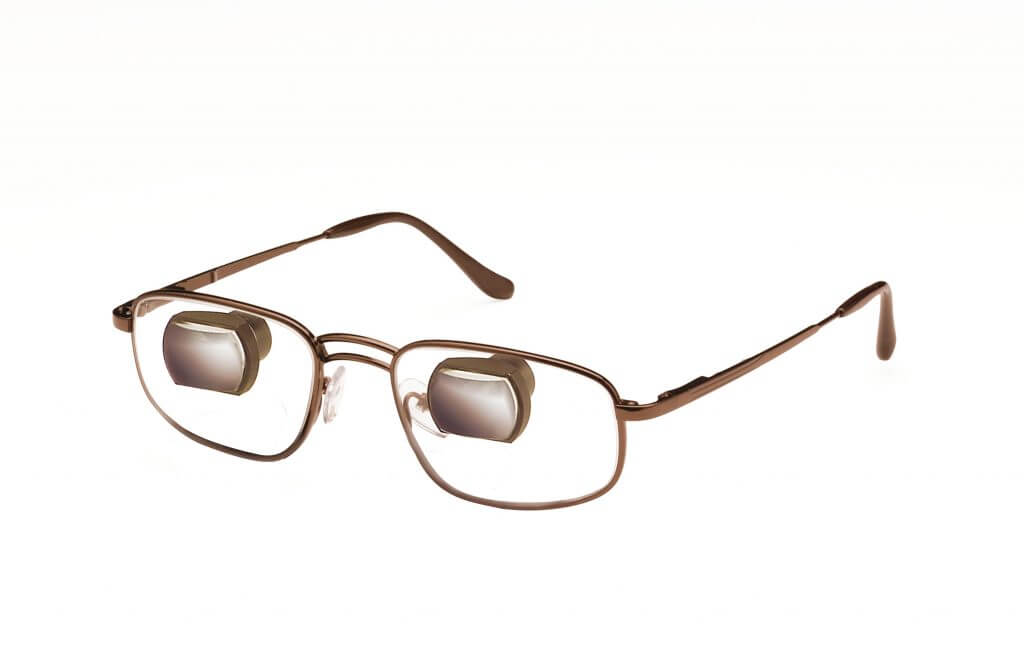
Bioptic Glasses
Bioptic telescopic glasses give patients with macular degeneration the benefits of a telescopic system while still maintaining mobility. Mounted high in the carrier lens, the telescope stays “out of the way” during everyday movement but is always available for a quick glance at distance objects. Read More
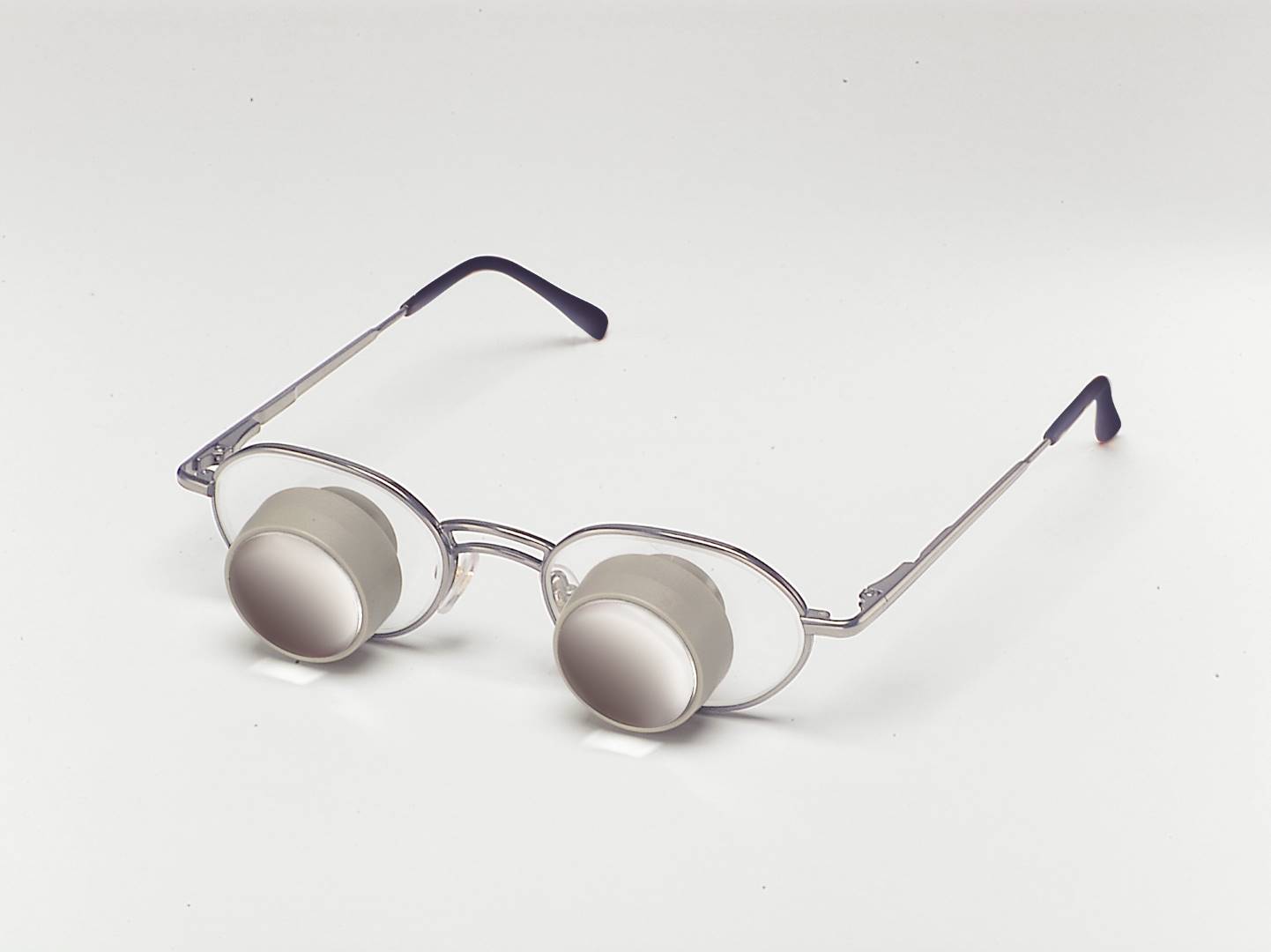
FDTS Glasses
Full Diameter Telescope (Galilean) glasses are designed to see things at a distance while stationary. Using them while mobile isn’t practical, since walking with Full Diameter Telescopes would feel similar to walking while looking through a pair of binoculars. Read More
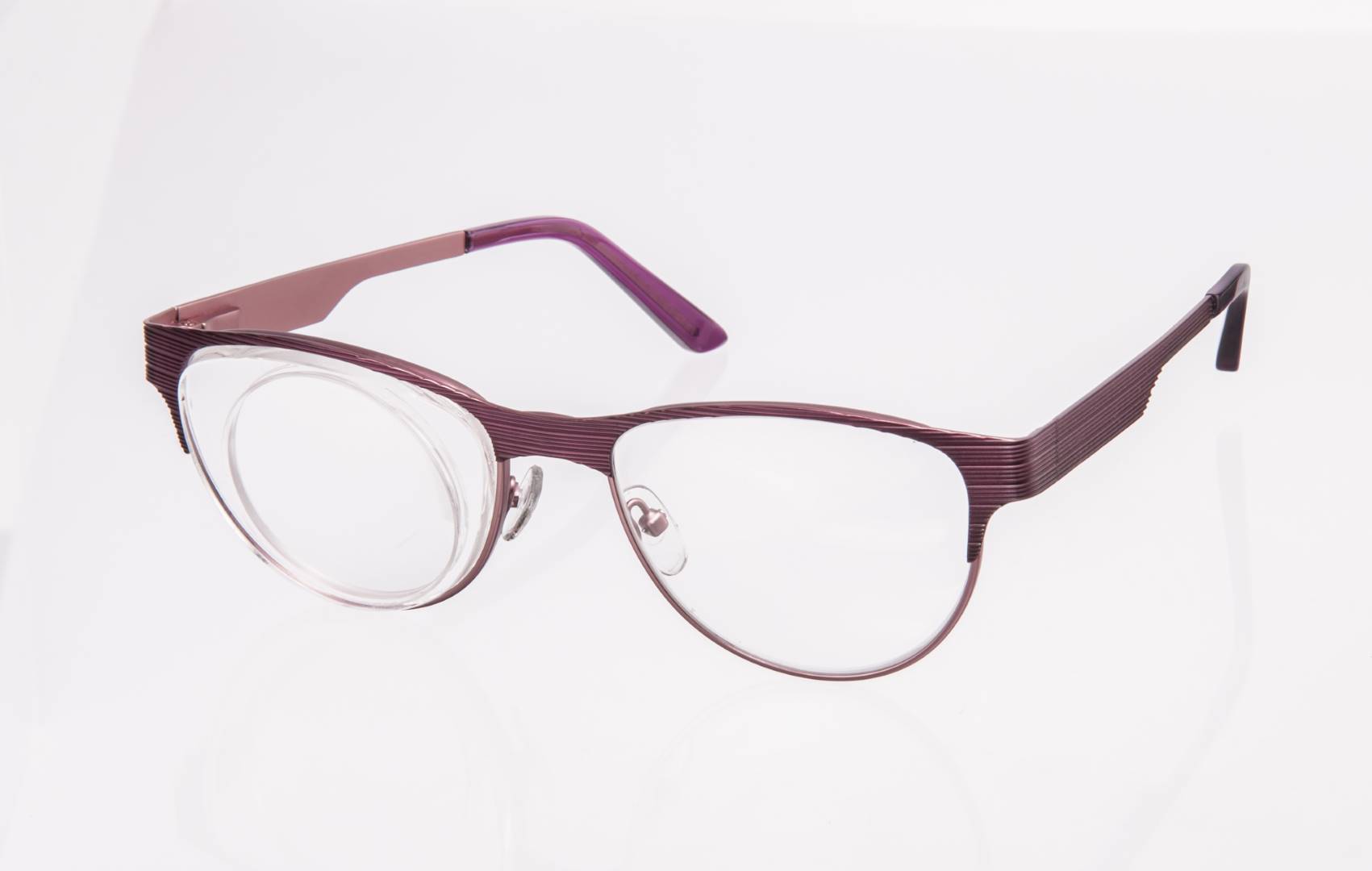
Clear Image Microscopic Glasses
Clear Image Microscopic Glasses use two high-powered, coated lenses “piggybacked” one behind the other. This doublet lens design creates a magnified, crystal-clear, edge-to-edge image, eliminating the distortion and pincushion effect of a single high-powered lens. Read More
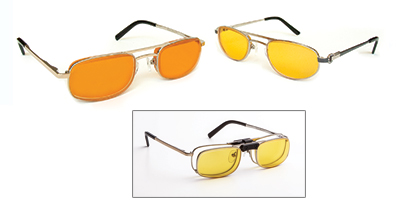
E-Scoop Glasses
E-Scoop® glasses offer new hope for patients whose vision has been affected by age-related macular degeneration, glaucoma, and diabetic retinopathy. They were developed to bridge the gap between standard eyeglasses and eyeglass-mounted telescopes. Read More
Field Expanding Glasses
Field Expanding Glasses use high-powered prisms placed in the peripheral vision to expand a hemianopic patient’s awareness of their blind side. With the Peli Lens™, patients can improve awareness on their blind side by over 30 degrees. Read More
Finding the Right Low Vision Glasses for You
With so many specialized options available, the right choice comes down to your specific visual acuity, contrast sensitivity, and daily goals. That’s why every recommendation starts with a comprehensive low vision evaluation, where we assess exactly how your vision has been affected and match you with the device — or combination of devices — best suited to your life. Many patients also benefit from ongoing low vision rehabilitation therapy to build confidence using their new glasses in daily activities.
Learn more about the eye diseases that commonly lead to low vision, or browse our complete range of low vision treatments beyond specialized glasses. If you’re new to our practice, our New Patient Center walks you through what to expect at your first visit.
Low Vision Glasses: Frequently Asked Questions
How do I know which low vision glasses are right for me?
The best way to find out is through a comprehensive low vision evaluation, where we assess your visual acuity, contrast sensitivity, and daily goals to recommend the right device for your needs.
Can I use more than one type of low vision glasses?
Yes. Many patients use a combination of devices — for example, bioptic glasses for distance viewing and Clear Image Microscopic Glasses for reading — depending on their specific vision loss.
Will my regular eyeglass prescription be included?
In most cases, yes. Devices like bioptic glasses and Clear Image Microscopic Glasses can incorporate your standard prescription, including bifocals and astigmatism correction.
What conditions do these glasses help with?
Our low vision glasses are commonly used to help patients with macular degeneration, glaucoma, diabetic retinopathy, and hemianopsia.
Do low vision glasses help with driving?
Bioptic telescopic glasses may support limited driving in states that allow it, depending on your specific vision and a comprehensive evaluation.
How do I get started?
Schedule a comprehensive low vision evaluation, and our team will recommend the right glasses and treatment plan based on your results.